GHOST TOWN
Architecture
Description goes here lorem ipsum silor dolsat.

Intro quote sits here introducing the drive up to 50 words. Adit dempos rerio mod es sim conem quam, conem. Lestios andeliquis ant dis aut venda nihita quam dolesto odigend animi, occus. Expeditis eiciaec aecestios vollatem et inctota temposam fugitin plis ra es et que et.


The appointment of Nigo and Pharrell Williams as creative advisors and investors in Not a Hotel represents something more profound than celebrity endorsement. It signals a fundamental recalibration of how we understand luxury hospitality, where architectural vision intersects with cultural intelligence to create something unprecedented in the contemporary design landscape.
Not a Hotel has always operated at the edges of convention. Founded by Keisuke Maeda, the Japanese hospitality concept challenges the very premise of ownership and occupation, offering properties that blur the boundaries between private residence and shared experience. These aren't hotels in any traditional sense—they're architectural statements that exist in dialogue with their landscapes, designed by luminaries like Sou Fujimoto and Junya Ishigami, each structure a meditation on space, light, and human presence.
The addition of Nigo and Pharrell to this equation isn't arbitrary. Both figures have spent decades operating as cultural translators, understanding how objects, spaces, and experiences accumulate meaning through careful contextualization. Nigo's trajectory from founding A Bathing Ape to his current role at Kenzo demonstrates an almost anthropological understanding of how subcultural codes migrate into mainstream consciousness. His work has always been about creating hermetic worlds—sealed systems of reference that reward those who understand their intricate symbolic language.
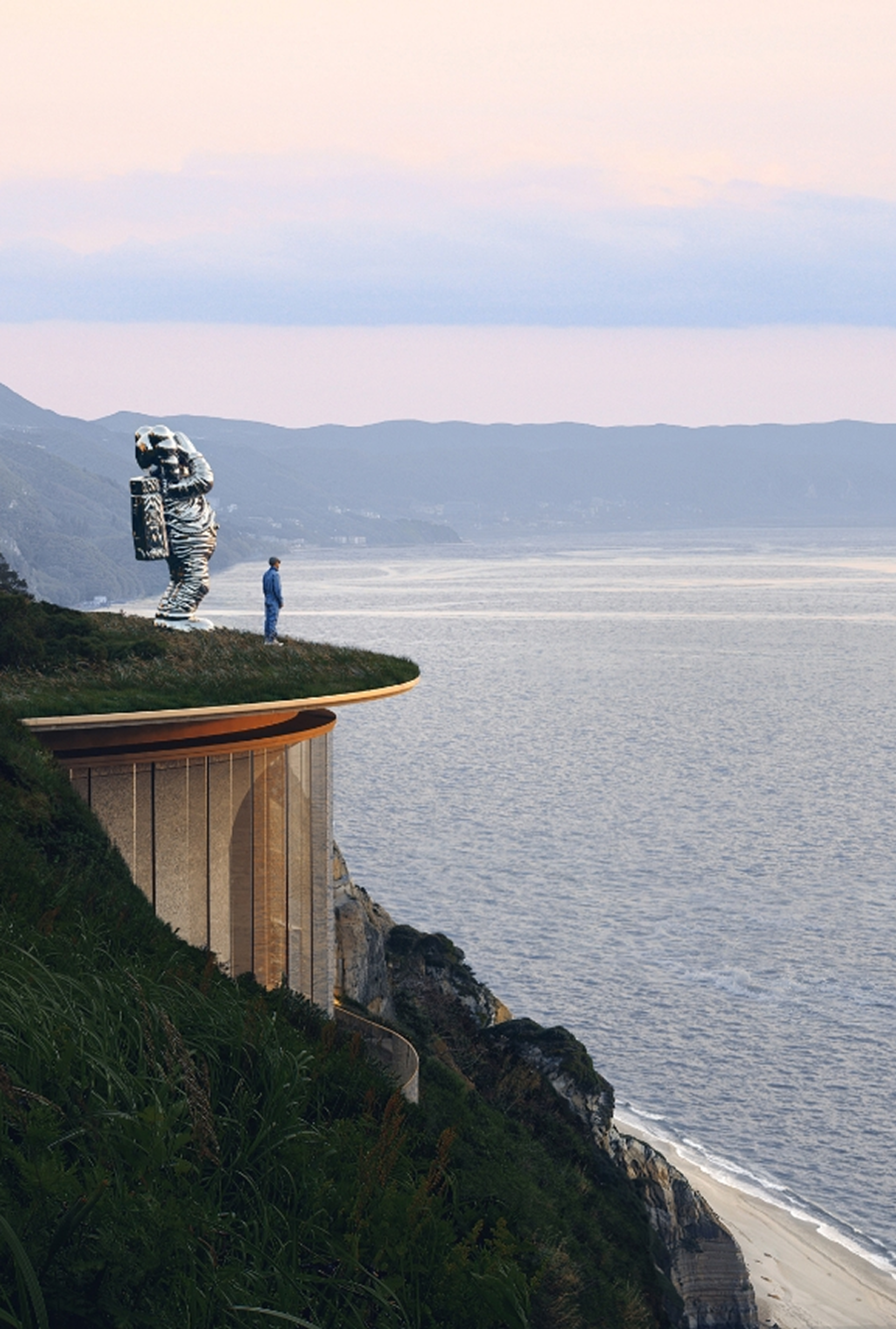
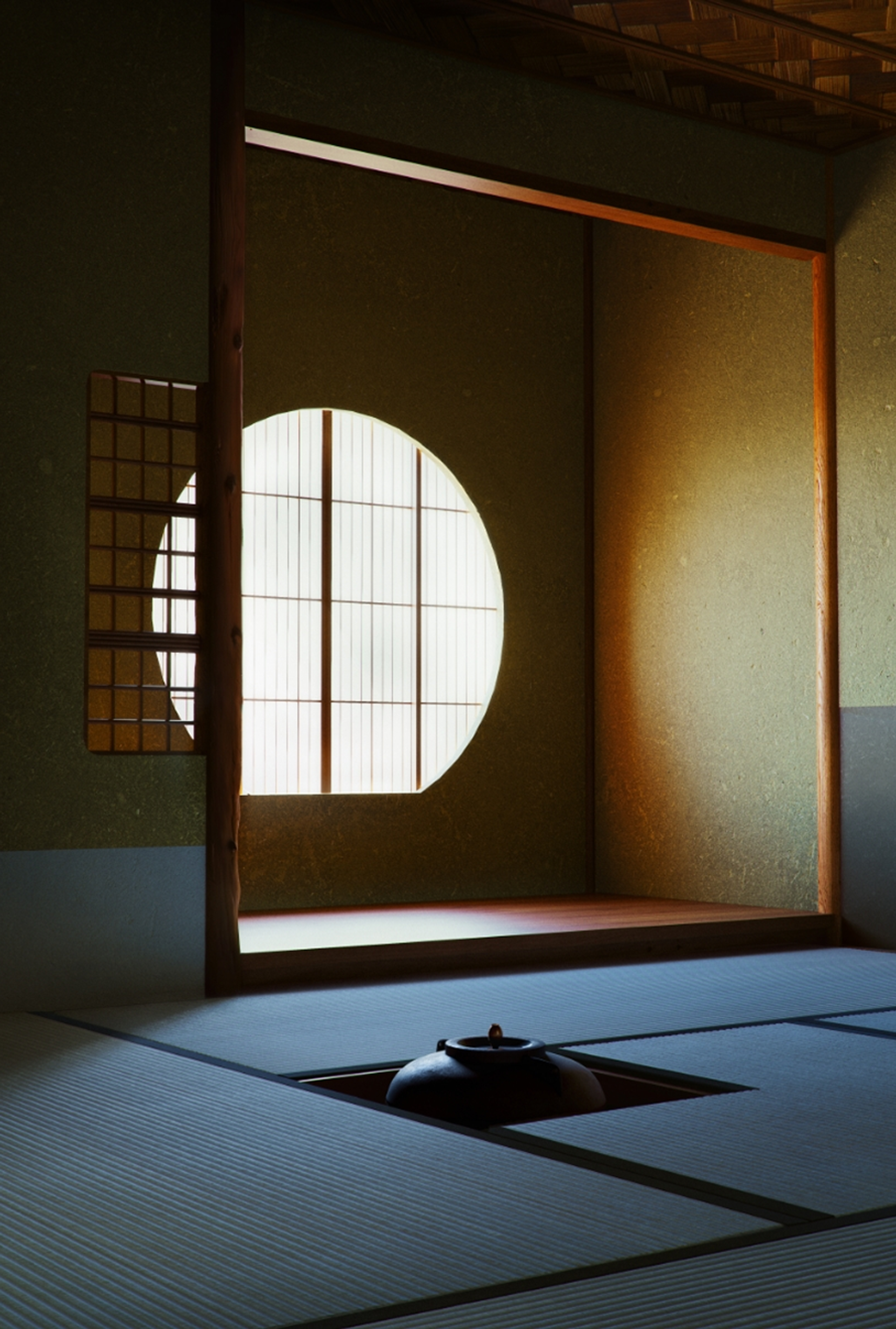
Pharrell's contribution operates on a different frequency. His creative practice spans music, fashion, architecture, and design with a fluid intelligence that refuses categorization. From his collaborations with Chanel to his architectural ventures with Zaha Hadid, Pharrell approaches creativity as a form of cultural synthesis, drawing from disparate traditions to create something genuinely new. His ability to identify and nurture emerging cultural currents before they reach mass awareness makes him uniquely positioned to guide Not a Hotel's evolution.
What becomes particularly compelling is how their combined sensibilities might shape the hospitality experience itself. Both Nigo and Pharrell understand luxury not as accumulation but as curation—the careful editing of possibility into coherent narrative. In their hands, Not a Hotel could evolve beyond its current architectural focus to become something more holistic: a complete ecosystem of experience where every detail, from the textiles to the music to the ritual of arrival, contributes to a unified vision.
This speaks to a broader shift in luxury hospitality, where the physical structure becomes merely the foundation for something more complex. We're witnessing the emergence of properties that function as cultural platforms, spaces designed not just for occupation but for transformation. The guest isn't a passive consumer but an active participant in an ongoing creative dialogue.
Consider how this mirrors broader movements in contemporary culture. The erosion of boundaries between art, commerce, and experience. The rise of environments designed to cultivate specific states of consciousness. The understanding that luxury increasingly means access to rarefied cultural knowledge rather than mere material abundance. Not a Hotel, with Nigo and Pharrell as guides, positions itself at this convergence.
Their investment also signals something about the future of creative practice itself. Both figures have built careers on understanding how aesthetic decisions create cultural value. They recognize that in an age of infinite reproducibility, what truly matters is the unreproducible—the specific combination of place, design, and intention that creates genuine singularity. Each Not a Hotel property can become a capsule universe, a complete world unto itself, reflecting their combined understanding of how environment shapes human experience.
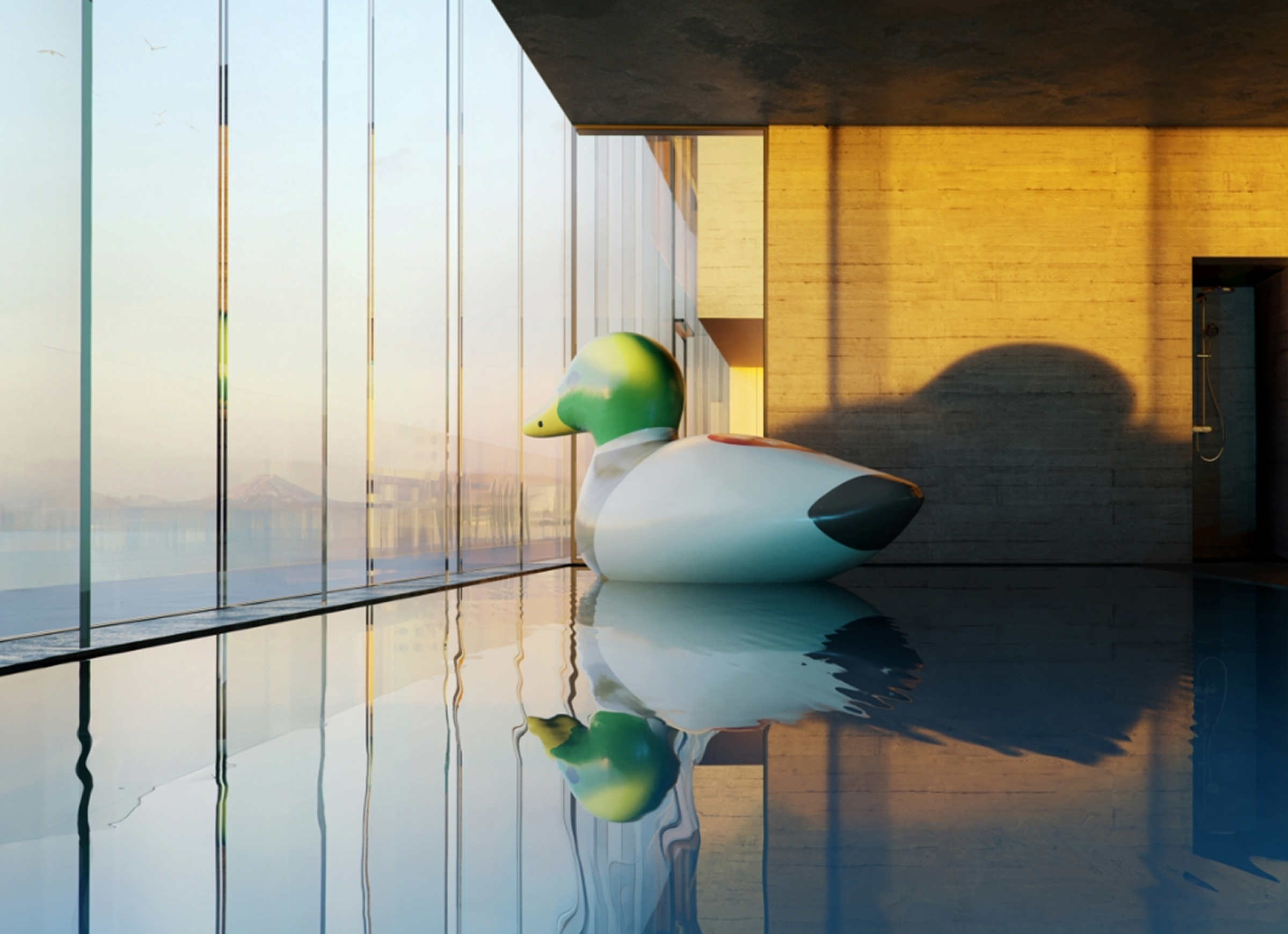
There's also an implicit statement about Japanese design philosophy meeting global cultural fluency. Nigo and Pharrell both exemplify a particular kind of transnational creativity, where deep respect for tradition coexists with radical innovation. They understand that the most compelling design emerges not from rejecting heritage but from reinterpreting it through contemporary sensibilities. This suggests Not a Hotel might evolve to become a bridge—connecting Japanese architectural rigor with a more expansive, culturally hybrid approach to luxury and experience.
What remains to be seen is how their influence will manifest in practice. Will we see new properties that reflect their aesthetic sensibilities more directly? Collaborations with other designers and artists from their extensive networks? A reimagining of what hospitality means when filtered through their particular lens of cultural creation?
The answer likely involves all of these elements and more. Because ultimately, what Nigo and Pharrell bring to Not a Hotel isn't just their individual visions but their understanding of how vision itself operates—how ideas move through culture, how spaces can embody philosophy, how luxury becomes meaningful when it offers not just comfort but consciousness. In their capable hands, Not a Hotel stands positioned to redefine what it means to occupy space in the twenty-first century.

